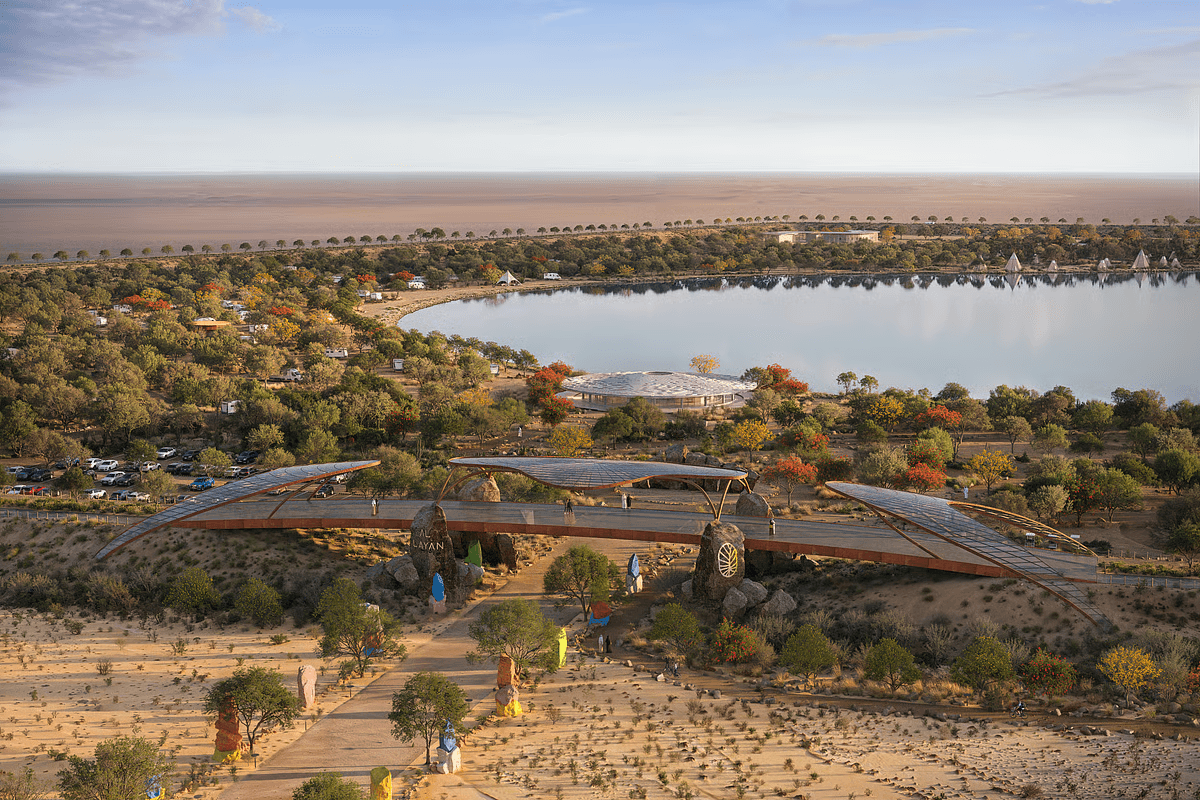
Dubai Unveils Al Layan Oasis Desert Tourism Project, Signalling New Era for Eco-Tourism and Regional Investment
Dubai, UAE — February 11, 2026 — Dubai has formally announced the launch of Al Layan Oasis, a sustainable desert tourism destination approved by His Highness Sheikh Mohammed bin Rashid Al Maktoum, Ruler of Dubai and Vice President and Prime Minister of the UAE, as part of a Dh4 billion (approx. $1.1 billion) package of eco-tourism and green infrastructure investments.[1]
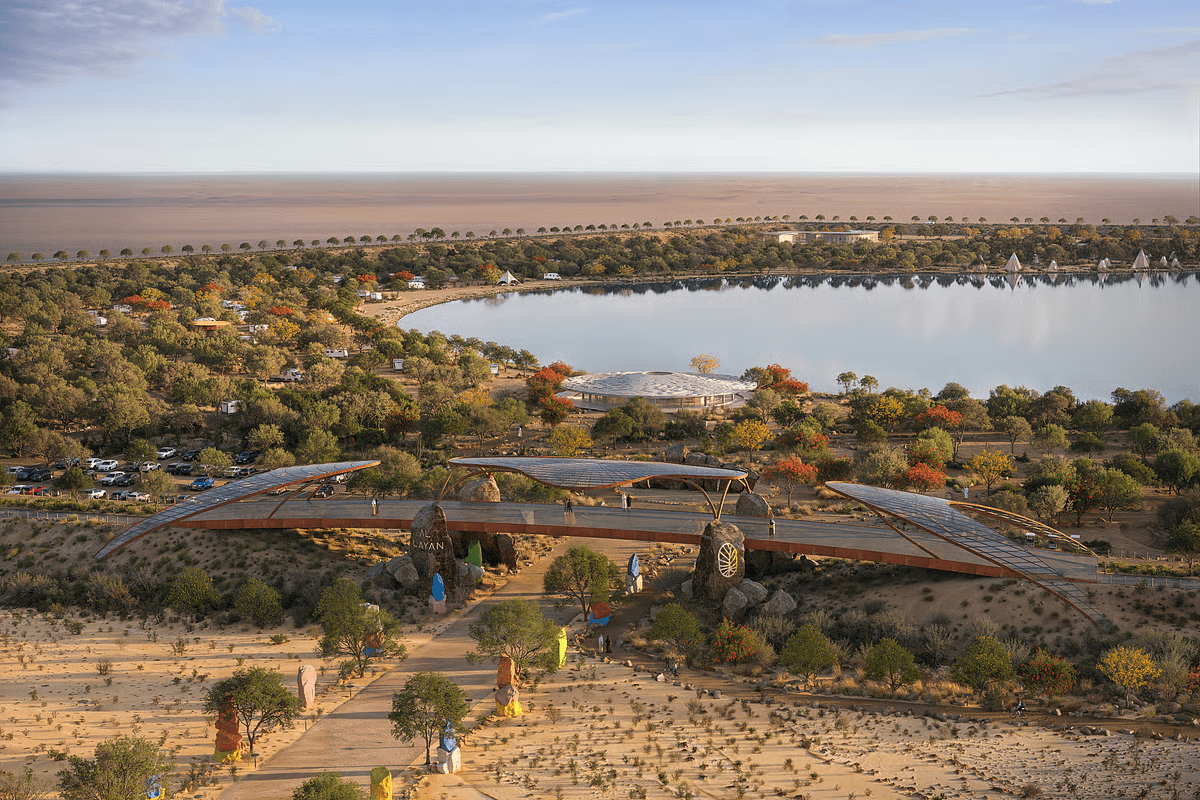
Image source: gulfnews.com, Al Layan Oasis
Spanning nearly one million square metres in the Al Marmoom desert area, the development is centred on a 2.5 million sq ft artificial lake and structured into four distinct zones — the Gathering Oasis, Family Oasis, Camping Oasis, and Recreation Oasis — offering cultural, recreational, and nature-based experiences designed to draw approximately 330,000 visitors yearly. [2]
The project features extensive infrastructure, including 14 km of walking and cycling trails (with elevated viewing paths), 1,000 parking spaces, caravan facilities, outdoor amphitheatres, and family recreation areas. It also includes 365,000 sq m of land allocated for private-sector participation, promoting public-private partnership in tourism development.
Al Layan Oasis represents more than a new tourist destination: it anchors Dubai’s Blue and Green Spaces Roadmap 2030, which aims to expand green networks, landscaping initiatives, and outdoor recreational offerings across the emirate. The project supports broader municipal plans such as the Dubai Countryside and Rural Areas Development Plan and the Dubai Quality of Life Strategy 2033, reflecting an integrated approach to environment-driven urban growth.
By strategically enhancing outdoor tourism, Dubai seeks to diversify its tourism portfolio beyond urban luxury and shopping attractions, capturing rising global demand for eco-tourism and experiential nature travel — particularly among markets in Europe, Asia, and the wider Middle East.
Regional Relevance and Investment Opportunities
For neighbouring Gulf states such as Saudi Arabia, which is accelerating its own tourism and environmental initiatives under Vision 2030, the Al Layan Oasis model underscores how nature-led destinations can broaden economic diversification. Saudi Vision 2030 prioritises entertainment, culture, and nature-based tourism — including desert and heritage experiences — in regions beyond major cities, as seen in ongoing projects like the Red Sea Global developments and Al-Ula heritage preservation efforts.
The Dubai initiative also presents potential cooperation and investment avenues for Chinese firms. China has been active in Gulf tourism and infrastructure, with direct flights connecting major Chinese cities to Dubai and expanding China–UAE tourism partnerships. For example, Shenzhen CG Digital Creative Company, China, Silkroad Visual, creatively use full-chain digital technology empowering Middle East cultural tourism. In late September 2025, Silkroad Visual has signed a strategic cooperation agreement with the Saudi royal enterprise Jizaal, reached 50 million Saudi Riyals (approximately 94.89 million RMB) cooperation [3].
Chinese investors looking to diversify into sustainable leisure, hospitality, and eco-tourism infrastructure may find frameworks like Al Layan Oasis appealing, particularly when aligned with renewable resource strategies and experiential travel demand.
As global tourism rebounds, destinations that harmonise environmental stewardship with innovative visitor experiences — such as Al Layan Oasis — are poised to capture new segments of the international travel market while contributing to long-term regional economic transformation.
References:
[1]MEED 2026, "Dubai announces Al-Layan Oasis tourism project", <https://www.meed.com/dubai-announces-al-layan-oasis-tourism-project>
[2]GULF NEWS 2026, "Al Layan Oasis explained: Inside Dubai's desert transformation project", <https://gulfnews.com/uae/al-layan-oasis-explained-inside-dubais-dh4-billion-desert-transformation-1.500439474>
[3]Financial Content 2026, "Silkroad Visual Reaches Strategic Partnership with Saudi Royal Enterprise Jizaal, Deeply Expanding into the “Vision 2030” Digital Culture Sector", <https://www.financialcontent.com/article/getnews-2026-2-5-silkroad-visual-reaches-strategic-partnership-with-saudi-royal-enterprise-jizaal-deeply-expanding-into-the-vision-2030-digital-culture-sector>