Saudi Arabia Ranks First in the Region for Digital Government Services, Reinforcing Vision 2030 Digital Transformation Goals
Riyadh, Saudi Arabia – July 2026 — Saudi Arabia has strengthened its position as a regional leader in digital government transformation, ranking first among Middle Eastern countries in digital government services, according to a recent report highlighted by Arab News [1]. The achievement reflects the Kingdom’s continued investment in digital infrastructure, artificial intelligence, cloud computing, and integrated government platforms as part of its broader Vision 2030 modernization agenda.
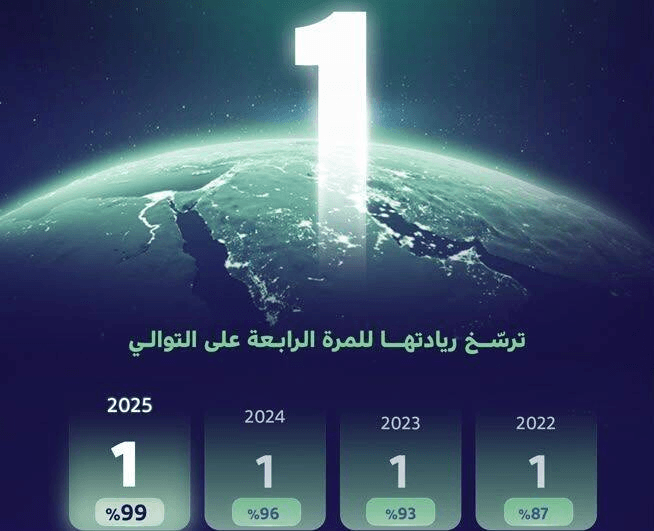
Image source: Arab News https://www.arabnews.com/node/2652031/saudi-arabia
Saudi Arabia’s strong performance was driven by improvements in government digital platforms, service accessibility, user experience, and technology adoption across public institutions. The ranking demonstrates the Kingdom’s progress in shifting from traditional administrative processes toward a more connected, data-driven government model.
Saudi Arabia’s digital government strategy is led by the Digital Government Authority (DGA), which has been responsible for coordinating digital transformation initiatives across ministries and public entities. The Kingdom has developed a wide range of digital platforms, including Absher, which provides millions of citizens and residents with access to government services such as identity management, permits, and administrative procedures.
Digital transformation has become a strategic pillar of Saudi Arabia’s economic diversification plan. Under Vision 2030, the government aims to increase efficiency, improve public service quality, and create a technology-driven economy beyond oil dependence. The country has invested heavily in emerging technologies, including artificial intelligence, cybersecurity, cloud services, and smart city solutions.
According to Arab News, Saudi Arabia ranked first among 17 countries covered by the index, securing the top position for the fourth consecutive year. The Kingdom achieved the highest maturity rate of 99%, based on an assessment of the maturity levels of 100 priority government services included in the index [2]. Meanwhile, Riyadh is expanding smart city capabilities ahead of major international events, including Expo 2030 Riyadh, increasing demand for digital solutions and technology partnerships.
The development of the digital government of Saudi Arabia is also creating new opportunities for international technology companies, including Chinese firms. China has become one of Saudi Arabia’s important technology partners, with companies such as Huawei participating in areas including cloud computing, 5G networks, and smart city infrastructure. The growing demand for digital platforms, data centers, and AI applications may provide further cooperation opportunities between Saudi and Chinese technology companies.
The impact of Saudi Arabia's digital ecosystem extends beyond government services. Industries including fintech, healthcare, logistics, cybersecurity, telecommunications, and artificial intelligence are expected to benefit from Saudi Arabia’s digital ecosystem expansion. For example, the Kingdom’s healthcare digitalization initiatives are accelerating the adoption of electronic health records, telemedicine, and AI-assisted medical services.
Looking ahead, Saudi Arabia’s leadership in digital government is likely to strengthen its attractiveness as a regional technology hub. As Gulf countries compete to attract global investment in AI, cloud computing, and digital infrastructure, the Kingdom’s progress could encourage more foreign technology companies and investors to establish operations in Saudi Arabia.
Sources & References