Saudi Accounting Sector Transformed by Vision 2030 Reforms, Strengthening Transparency and Investment Appeal
According to Arab News, April 16, 2026 - Saudi Arabia’s accounting and auditing sector has undergone a sweeping transformation over the past decade, driven by structural reforms aligned with the Kingdom’s long-term economic strategy, Saudi Vision 2030.
A recent report by the Saudi Organization for Chartered and Professional Accountants reveals that more than 300 reforms have been implemented between 2016 and 2026, covering legal, procedural, and technical frameworks. These reforms aim to enhance financial transparency, standardize reporting practices, and improve the reliability of corporate disclosures—key pillars for attracting both domestic and foreign investment. [1]
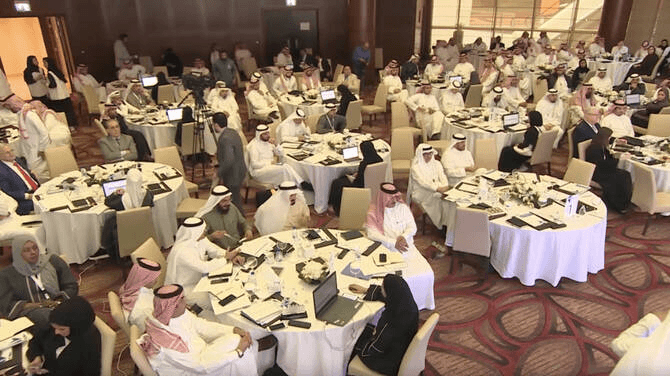
Image source: arabnews.com
The reforms have introduced clearer licensing procedures, upgraded professional standards, and expanded digital services for practitioners. Importantly, Saudi Arabia has fully adopted international accounting and auditing standards, positioning itself as a regional leader in regulatory alignment and governance quality.
This transformation is closely linked to broader financial sector reforms under Vision 2030, which seeks to build a “thriving economy” by improving transparency, strengthening capital markets, and encouraging private-sector growth.
Beyond regulatory improvements, the sector has seen significant investment in talent development. Increased participation of women and expanded education pathways have contributed to a more diversified and skilled workforce, aligning with national goals to boost employment and professional competitiveness.
The transformation of Saudi Arabia’s accounting sector carries broader implications:
- Boosting Foreign Investment Confidence Reliable financial reporting is essential for international investors. By aligning with global standards and improving disclosure practices, Saudi Arabia strengthens its attractiveness as an investment destination, particularly in sectors such as infrastructure, fintech, and capital markets.
- Supporting Capital Market Expansion Enhanced accounting standards underpin the growth of institutions like the Saudi Exchange (Tadawul), which has become a key regional financial hub. Transparent reporting reduces risk premiums and facilitates cross-border listings and investments.
- Driving Regional Benchmarking Saudi Arabia’s reforms set a precedent for other Gulf Cooperation Council (GCC) countries seeking to modernize their financial ecosystems. Similar regulatory upgrades are now being observed in the UAE and Qatar, often influenced by Saudi-led initiatives.
- Enabling Fintech and Digital Finance Growth Improved accounting infrastructure complements the Kingdom’s expanding fintech sector, where regulatory clarity and data reliability are essential for innovation, including digital payments and open banking ecosystems.
As Saudi Arabia advances toward its 2030 targets, continued modernization of financial reporting and auditing frameworks will remain central to building a globally competitive, investment-driven economy.
Sources: